Joshua Dixon | August 18, 2025
There’s something magnetic about abandoned spaces—the quiet hum of decay, the echo of footsteps in empty halls, the way sunlight filters through broken glass. Urban exploration, or urbex, draws adventurers to these forgotten places to capture their stories before time and nature reclaim them completely. But while the photos and videos shared online might make urbex look spontaneous, discovering these hidden gems often takes patience, research, and a bit of intuition.
Finding urbex locations isn’t about luck, it’s about observation. Start by exploring your surroundings with a curious eye: an old warehouse near the train tracks, a boarded-up church at the edge of town, or a decaying farmhouse visible from a country road. Each of these places has the potential to hold a piece of history. Online resources can help too, like local history forums, satellite maps, and social media groups dedicated to urban exploration, which often reveal clues without giving away exact coordinates. The trick is to piece together the puzzle yourself while respecting the unwritten code of urbex: take nothing but photos, leave nothing but footprints.
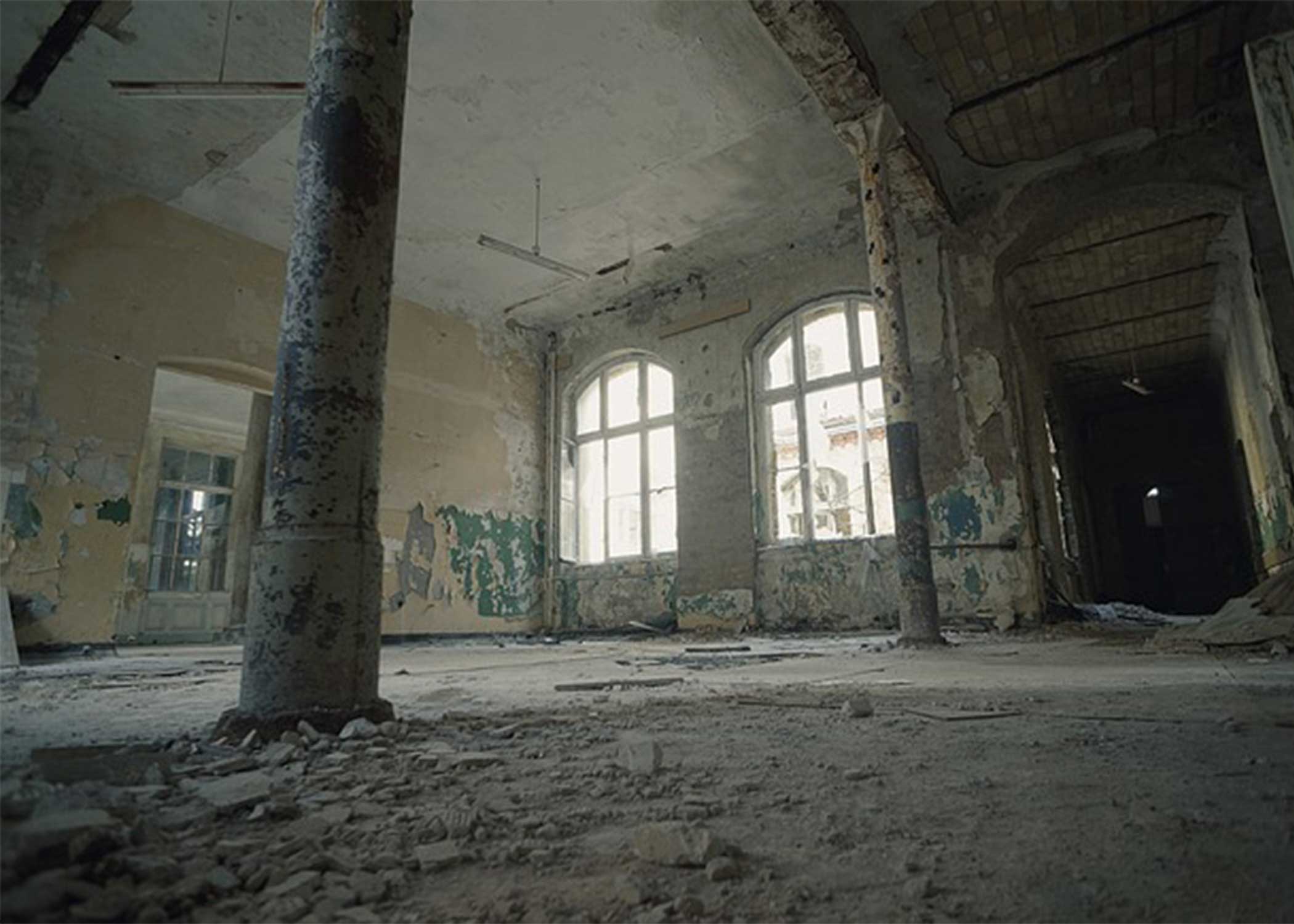
NAVIGATING THE ONLINE HUNT
In today’s digital age, the search for urbex locations often begins online. Google Maps and Google Earth are invaluable tools for spotting abandoned structures or overgrown lots that stand out from their surroundings. Satellite imagery can reveal when a site was last active or how it’s changed over time. Pair that with local property databases or historical archives, and you can uncover the story behind a location before ever setting foot there. Online urbex communities, especially those on Reddit, Discord, or regional Facebook groups, can also point you in the right direction.
However, digital sleuthing is only half the journey. Drive through industrial zones, forgotten neighborhoods, or rural outskirts where time seems to have paused. Keep an eye out for faded signage, rusted gates, or overgrown driveways, all signs that a building has been left behind. The best explorers know that respecting a site’s integrity ensures it remains a hidden treasure for the next curious soul who discovers it.
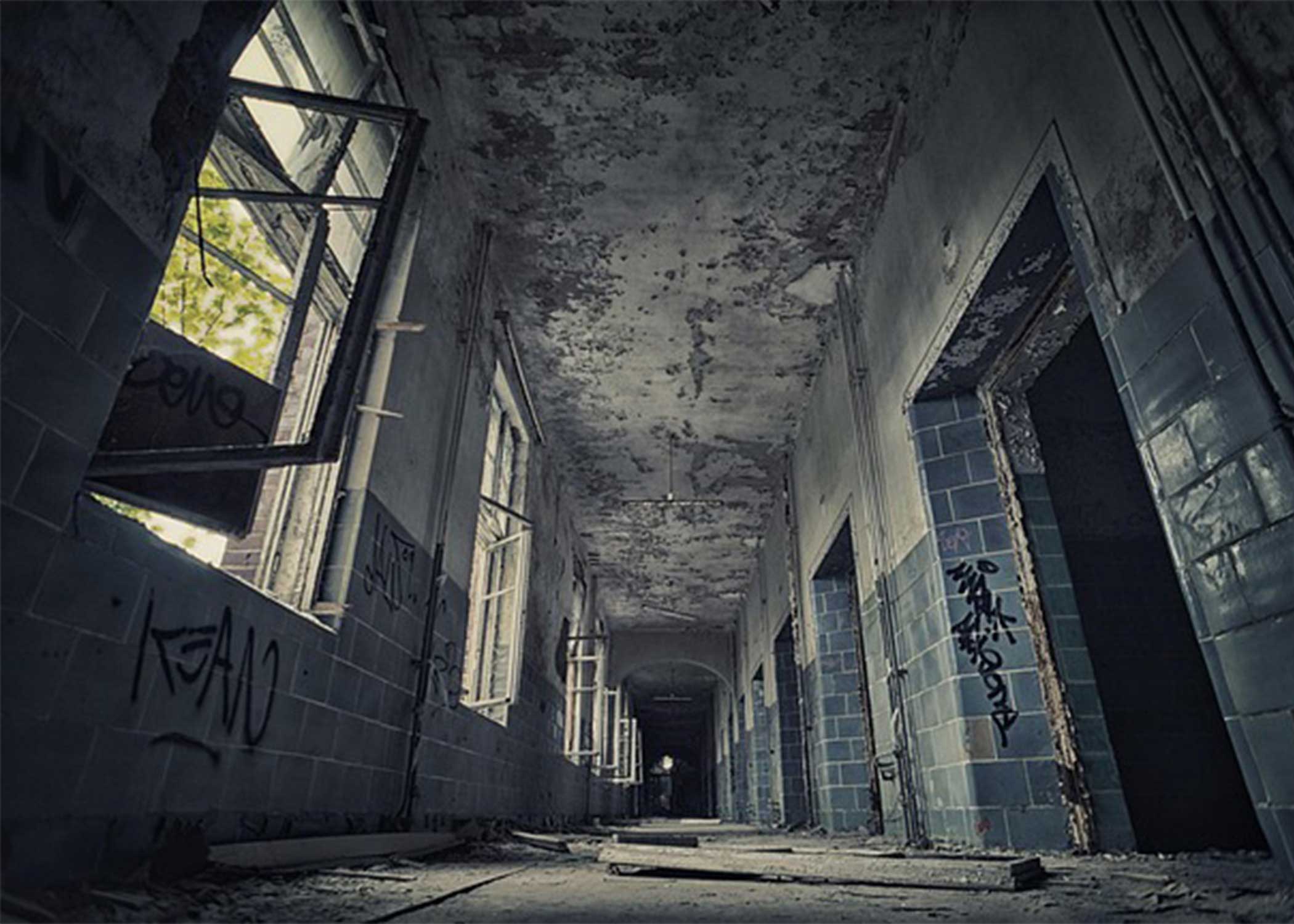
THE ART OF DISCOVERY
At its heart, urban exploration is more than just stepping into abandoned spaces—it’s about uncovering fragments of forgotten stories and seeing beauty in decay. Every peeling wall and rusted beam carries echoes of the past, waiting for someone to notice. The search for locations, the patience it demands, and the respect it requires all shape the experience into something deeply personal. Whether you’re photographing a derelict factory or quietly walking through a crumbling hospital, remember that each find is a privilege, not a right. Protect what you discover, share responsibly, and let curiosity—not recklessness—guide you. In the end, the true reward of urbex isn’t the place itself, but the journey that leads you there.
COMMENTS